An Indo-German research collaboration led by the University of Hyderabad has developed an energy-efficient steel manufacturing process that could significantly reduce carbon emissions in the automotive sector, with the breakthrough study earning the cover feature in the May 2026 edition of the international journal ACS Applied Engineering Materials.
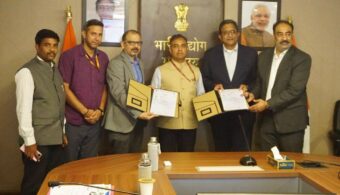
The research was conducted under the Indo-German Science and Technology Centre (IGSTC) project “Steel4LTC”, bringing together academic researchers and industrial partners from India and Germany to develop a lower-carbon alternative for manufacturing automotive suspension spring steel.
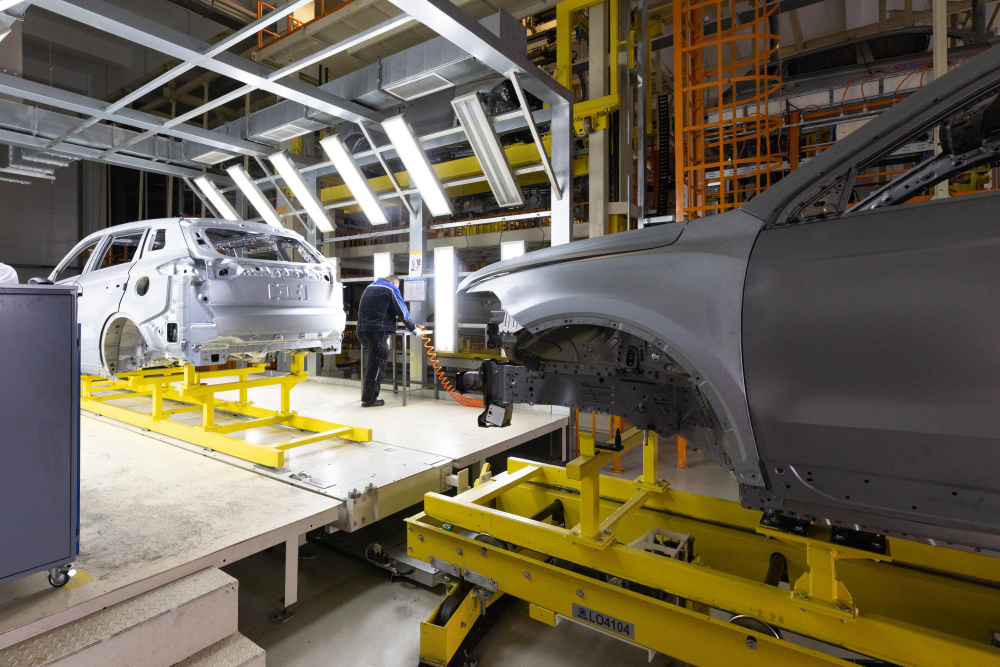
The project focused on creating a thermo-mechanical treatment process capable of producing lightweight, high-strength and fatigue-resistant spring steel while substantially lowering industrial energy consumption and carbon dioxide emissions.
Indo-German collaboration brings together academia and industry
The study was led by researchers from the School of Engineering Sciences and Technology (SEST) at the University of Hyderabad, including PhD scholar Mohsin Hasan, Joshua Daniel Jujjavarapu, Nanda Kishore Karnam and Prof. Koteswararao V. Rajulapati.
The collaboration also involved JSW Steel, University of Siegen and German automotive spring manufacturer MUBEA.
According to the researchers, the ₹7.2 crore project received ₹1.88 crore in funding support for the University of Hyderabad component.
Advanced steel treatment process improves strength and durability
The researchers compared the conventional quenching and tempering (QT) process with an advanced induction quenching and tempering (IQT) technique for SAE 9254 spring steel used in automotive suspension systems.
According to the findings, the IQT process refined the steel’s microstructure and improved ductility, toughness and fatigue resistance while maintaining ultra-high tensile strength exceeding 2,000 MPa.
The study reported that IQT-treated steel demonstrated a 19 per cent higher reduction of area and 8.2 per cent greater elongation compared to conventionally treated steel.
Researchers further found that fatigue strength increased by 36 per cent under one loading condition and by up to 64 per cent under another, indicating significantly improved durability for automotive applications.
Major potential for energy savings and carbon reduction
One of the most significant outcomes of the research was the projected reduction in industrial energy use and emissions.
Researchers said the IQT process could lower energy consumption by nearly 67 per cent compared to traditional manufacturing methods. At industrial scale, the process could potentially save around 18.25 GWh of energy annually while reducing carbon dioxide emissions by nearly 15,000 tonnes each year.
The findings are expected to contribute to ongoing global efforts toward greener industrial manufacturing and sustainable mobility solutions, particularly as automotive manufacturers seek lighter and stronger materials to improve fuel efficiency and reduce environmental impact.
The publication of the study as the cover story in the May 2026 issue of ACS Applied Engineering Materials is being seen as a major international recognition for the Indo-German collaboration in advanced materials and sustainable engineering research.