
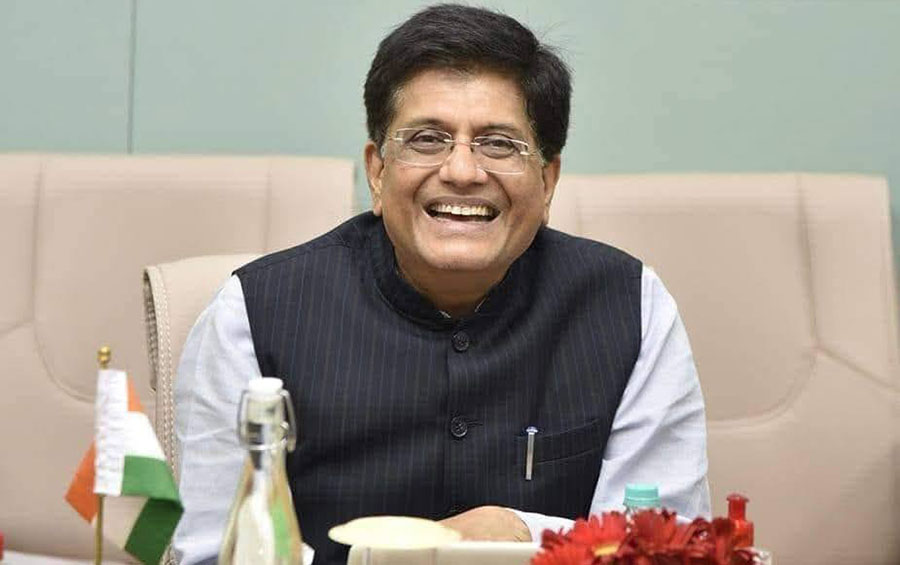
India and the European Union have entered the final stages of preparing their long-awaited Free Trade Agreement (FTA), with Union Minister for Commerce and Industry Piyush Goyal stating that the legal review of the negotiated text is expected to conclude within the next 10–12 days and that both sides are working towards signing the agreement by 31 December 2026.
The development marks one of the most significant milestones in India-EU trade relations, bringing a deal that has been under discussion for nearly two decades closer to completion. The agreement is expected to create new opportunities for businesses, improve market access, boost investment flows and strengthen economic ties between India and the European Union, India’s largest trading partner in goods.
Legal Scrubbing Process Nears Conclusion
Speaking on 2 July, Minister Goyal said the legal scrutiny, or “legal scrubbing”, of the negotiated FTA text is expected to be completed shortly.
“EU FTA legal scrub will be over in 10-12 days,” the minister said, adding that the next steps would involve approvals from the European Commission and the European Parliament before the agreement is formally signed.
According to Minister Goyal, both sides remain committed to concluding the process within this year, with the target date for signing set for 31 December 2026.
The legal scrubbing stage involves a detailed review of the negotiated text to ensure legal consistency, technical accuracy and compatibility with the domestic legal frameworks of both parties before final approvals are sought.
FTA Expected to Open New Opportunities for Trade
The proposed India-EU FTA is expected to significantly expand bilateral trade by reducing tariffs, easing regulatory barriers and improving access to each other’s markets.
Reports indicate that India and the EU have agreed on tariff concessions covering more than 90 per cent of tariff lines, potentially providing broader access for Indian exporters while facilitating greater trade and investment cooperation between the two economies.
The European Union remains India’s largest trading partner in goods, with bilateral trade having grown substantially over the past decade. A successful conclusion of the FTA is expected to further accelerate trade, strengthen supply chains and encourage greater business collaboration across sectors.
Agreement Could Take Effect in Early 2027
While the signing is targeted for the end of 2026, implementation will require ratification and procedural approvals on both sides.
Hervé Delphin, Ambassador of the European Union to India, recently indicated that the agreement could become operational in early 2027, once the remaining legal and institutional processes are completed.
According to Amb. Delphin, both India and the EU are “on a good track” to complete the remaining legal vetting and move towards finalisation of the agreement.
Earlier, Minister Goyal had also suggested that once signed, the agreement could become effective during the first quarter of 2027 following the completion of the necessary approval procedures.
Years of Negotiations Enter Final Phase
India and the European Union resumed FTA negotiations in 2022 after earlier talks had stalled. Since then, both sides have accelerated discussions across trade in goods, services, investment, market access and regulatory cooperation.
The latest developments suggest that negotiators have now moved beyond the substantive bargaining stage and are focusing on final legal and procedural requirements before the agreement can be formally concluded.
With the legal review nearing completion and political commitment evident on both sides, the India-EU Free Trade Agreement appears closer than ever to becoming reality, potentially ushering in a new phase of economic engagement between two of the world’s largest markets.