Photo Credit: x.com/mnreindia
India and Germany have reviewed progress across key areas of their renewable energy partnership, with both countries reaffirming their commitment to expanding cooperation in clean energy manufacturing, technology deployment and investment.
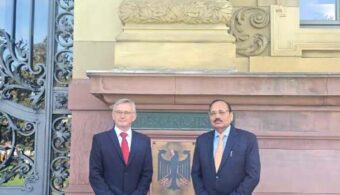
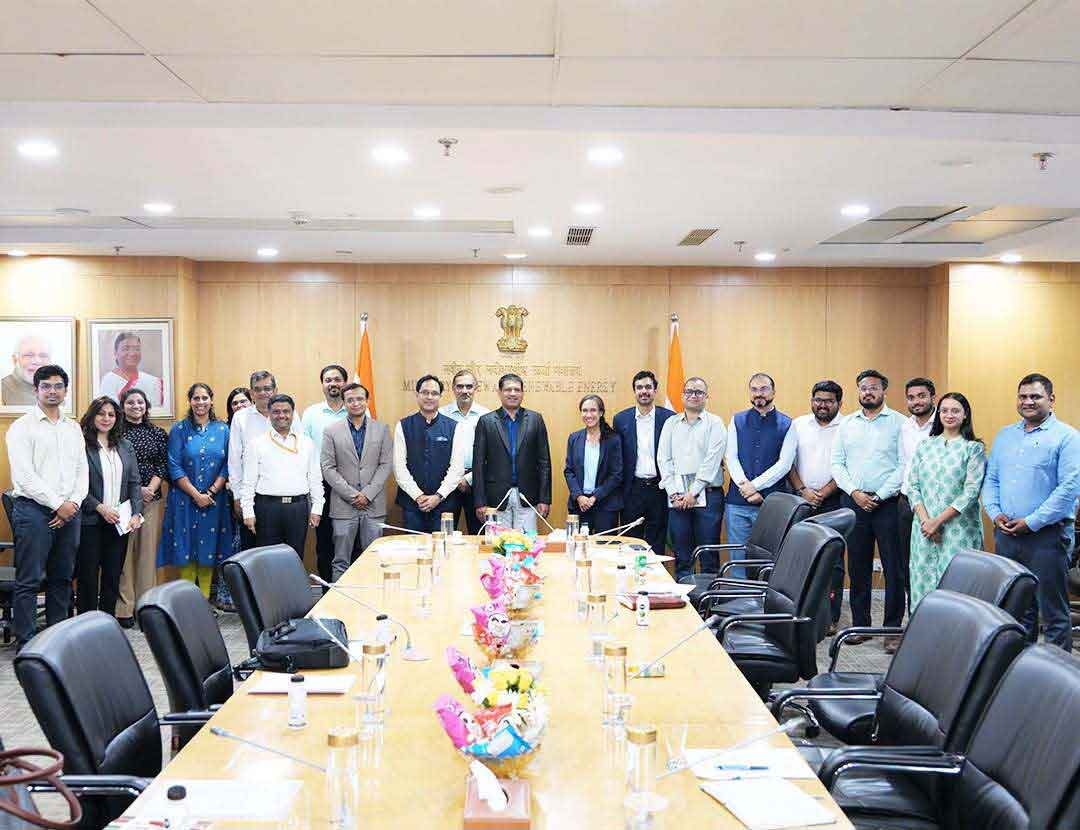
The review meeting of the Working Groups under the India–Germany Platform for Investments in Renewable Energy was held on July 6 under the co-chairmanship of Shri Santosh Kumar Sarangi, Secretary, Ministry of New and Renewable Energy (MNRE), Government of India, and Mr. Niels Annen, Parliamentary State Secretary, German Federal Ministry for Economic Cooperation and Development (BMZ).
During the meeting, the two sides assessed the progress made by the Working Groups focused on Solar Photovoltaics, Wind Energy, Biogas and Energy Storage, while exploring opportunities to deepen collaboration in support of the energy transition goals of both countries.
Focus on Strategic Renewable Energy Cooperation
The discussions included a comprehensive review of ongoing initiatives under the India–Germany renewable energy framework. Officials examined progress in technology cooperation, investments, capacity building and deployment strategies aimed at accelerating the adoption of clean energy solutions.
Both sides reiterated their commitment to strengthening bilateral cooperation and advancing the renewable energy partnership, particularly in the areas of manufacturing and large-scale deployment of clean energy technologies.
India Highlights Progress Towards 2030 Renewable Energy Targets
Addressing the meeting, Shri Santosh Kumar Sarangi underlined the importance of clean energy technologies in supporting climate action, economic growth and long-term energy security.
He noted that India has made significant progress in its clean energy transition, with non-fossil fuel sources accounting for nearly 54 per cent of the country’s installed electricity generation capacity.
According to Minister Sarangi, this progress places India firmly on track to achieve its target of 500 GW of non-fossil fuel-based electricity capacity by 2030, one of the world’s most ambitious renewable energy expansion programmes.
Indo-German Energy Partnership Built on Long-Term Cooperation
The MNRE Secretary also highlighted the long-standing nature of India-Germany cooperation in the energy sector.
The partnership traces its roots to the Indo-German Energy Forum, launched in 2006, and has since expanded significantly under the Indo-German Green and Sustainable Development Partnership (GSDP).
Germany has committed €10 billion by 2030 to support India’s climate and sustainable development agenda, primarily through concessional financing provided by KfW Development Bank.
The funding supports several major Indian clean energy initiatives, including the development of Green Energy Corridors, the Solar Rooftop Programme, and the National Green Hydrogen Mission.
Manufacturing, Innovation and Grid Modernisation Identified as Priorities
The meeting concluded with a renewed focus on strengthening manufacturing ecosystems and scaling up the deployment of renewable energy technologies in both countries.
Officials from India and Germany agreed to promote greater public-private collaboration, encourage joint research and development initiatives, and support efforts to modernise electricity grids.
The two sides also emphasised the importance of building resilient and efficient energy infrastructure capable of delivering reliable and affordable clean power while supporting industrial growth and energy security.
The review meeting reflects the growing strategic importance of the India-Germany renewable energy partnership as both countries seek to accelerate decarbonisation efforts, strengthen clean technology supply chains and expand investments in sustainable energy infrastructure.