Photo Credit: Siemens
German technology group Siemens has joined hands with Bengaluru-based Sarla Aviation to support the development of the Indian start-up’s electric vertical take-off and landing aircraft, extending India–Germany technology cooperation into the emerging urban air mobility sector.
Siemens announced the collaboration on August 5, 2026, saying Sarla Aviation had adopted its Xcelerator portfolio of industrial software to accelerate the engineering of its next-generation eVTOL aircraft. Sarla Aviation is working towards launching electric air taxi operations in Bengaluru in 2028.
The partnership will connect aircraft design, simulation, electrical engineering, software development and product lifecycle management through an integrated digital system.
Digital engineering to support aircraft development
Under the arrangement, Sarla Aviation will use Siemens’ “digital thread” approach, which allows engineering information to move across different stages of aircraft development within a unified environment.
According to Siemens, this system is expected to help Sarla Aviation conduct simulations earlier in the design process, reduce repeated design work and improve coordination among its engineering teams. It will also maintain traceable records across design, testing and validation—an important part of demonstrating compliance during aircraft certification.
The Indian company will use several components of the Siemens Xcelerator portfolio. These include Designcenter for aircraft engineering, Simcenter for performance simulation and validation, and Capital for designing electrical systems such as battery management, power distribution and avionics.
Polarion will support software-development and compliance processes, including requirements associated with the DO-178C airborne software standard. Teamcenter will provide the digital backbone for managing product data and maintaining traceability across design, simulation and manufacturing.
Sarla targets Bengaluru operations in 2028
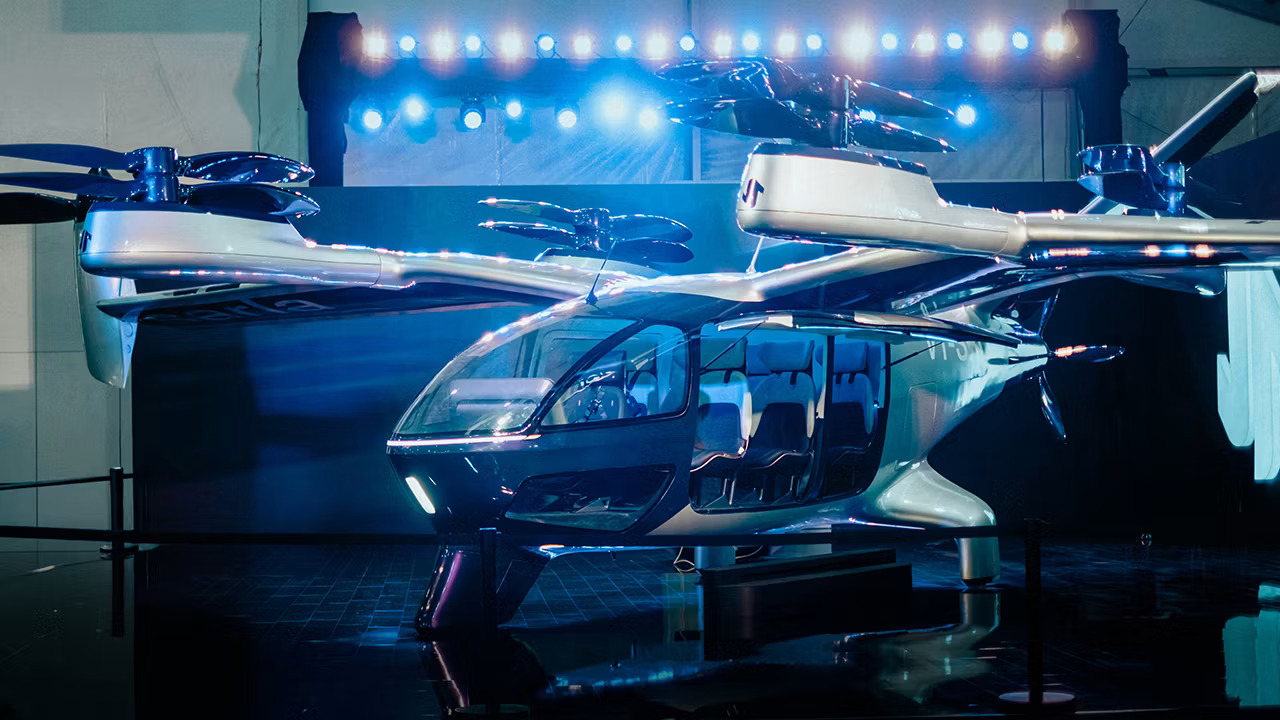
Sarla Aviation is developing an advanced air mobility platform intended initially for short-distance travel in densely populated Indian cities. Its flagship aircraft, Shunya, was unveiled at the Bharat Mobility Global Expo in New Delhi in January 2025.
The company has designed Shunya to accommodate six passengers and a pilot, with alternative configurations planned for premium travel, cargo transport and emergency medical services. These specifications and the proposed operational schedule remain subject to development, testing and regulatory certification.
Rakesh Gaonkar, Co-founder and Chief Technology Officer of Sarla Aviation, said the integration of Siemens’ digital technologies would help the company shorten its innovation cycle while maintaining its focus on aircraft safety and performance. He added that the collaboration would support Sarla Aviation’s efforts to develop reliable electric urban transport at scale.
Mathew Thomas, Vice President and Managing Director for India at Siemens Digital Industries Software, said integrated digital engineering could improve collaboration, accelerate product development and help aircraft manufacturers prepare for certification requirements.
India–Germany aerospace connection
The partnership adds a new dimension to India–Germany industrial cooperation, bringing German digital engineering capabilities into an Indian-built electric aircraft programme.
Sarla Aviation also has an earlier connection with Germany’s eVTOL sector. Co-founders Rakesh Gaonkar and Adrian Schmidt developed experience at German air-taxi company Lilium before establishing Sarla Aviation in Bengaluru.
The latest collaboration comes as India builds capabilities in advanced air mobility and indigenous eVTOL development. It also adds urban air mobility to the growing scope of India–Germany technology cooperation, combining both the countries’ digital engineering capabilities in advanced manufacturing, sustainable mobility and next-generation aerospace technologies.