Indian universities and research institutes would be able to apply directly for EU funding and lead multinational projects under an agreement negotiated by India and the European Union. The European Commission announced on 6 November 2026 that talks on India’s association with Horizon Europe had concluded. India’s Ministry of Science and Technology confirmed the outcome the following day. The Commission is aiming for January 2027, subject to signature and completion of procedures on both sides.
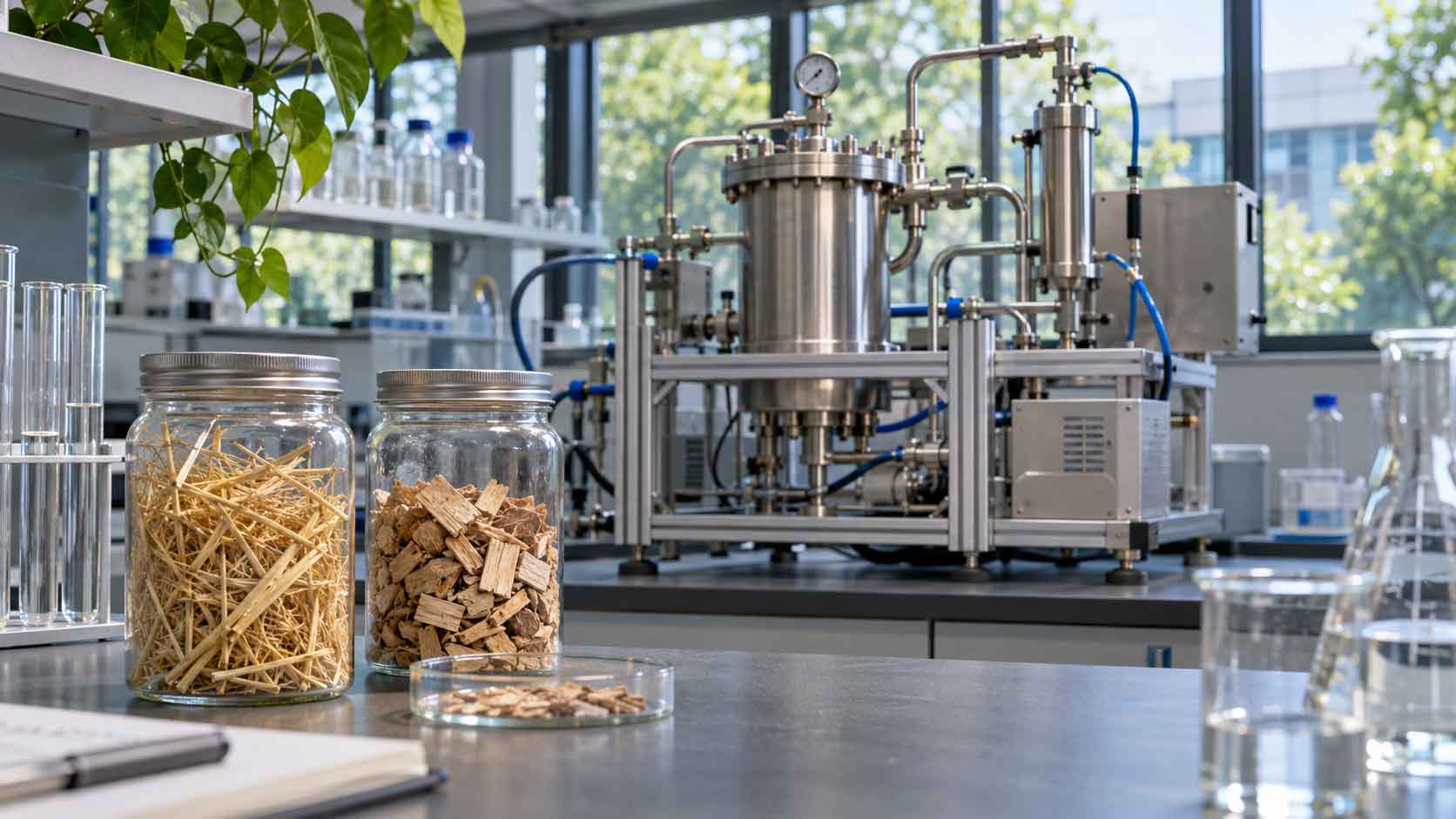
An existing renewable hydrogen project shows how the agreement could affect India–Germany research. The Indian Institute of Technology Madras and the German Biomass Research Centre in Leipzig both take part in BHARAT-EU, which is studying how residues from agriculture and forestry can be used to produce renewable hydrogen. The EU’s project database records a direct contribution to the Leipzig centre and lists IIT Madras as a partner with zero direct EU funding. Under the negotiated terms, eligible Indian institutions could apply for EU funding for their share of the work in future projects covered by the agreement.
How the funding rules would change
Indian organisations can already join many Horizon Europe calls. They generally need to cover their costs through their own resources, Indian government co-funding or other sources. In May 2026, for example, the EU and India launched a joint call on electric vehicle battery recycling with a combined budget of €15.2 million. Horizon Europe provided the funding for the European side of the call, while India’s Ministry of Heavy Industries made funding available for the Indian side.
Under association, eligible Indian universities, research institutes and businesses would be able to apply for funding on the same terms as EU organisations in the part of the programme covered by the agreement. They could also coordinate collaborative projects under Pillar II, which supports multinational research in fields including health, digital technologies, industry, space, climate, energy and mobility. India would contribute financially to the programme.
Horizon Europe’s €93.5 billion budget covers the full 2021–2027 programme. Indian organisations would compete for grants through individual calls covered by the agreement.
Where Germany fits in
An Indian institute already working with a German university or laboratory could build on that relationship by bringing in partners from other countries and coordinating the proposal, where the call allows it. India’s Ministry of Science and Technology said association would also help Indian teams gain access to European research infrastructure.
India and Germany already have bilateral funding routes. The Indo-German Science & Technology Centre’s 2+2 scheme brings together at least one research or academic institution and one industry partner from each country. The German Research Foundation and India’s Department of Science and Technology also support joint doctoral training through Indo-German International Research Training Groups. These programmes give Indian and German teams a basis for developing proposals with partners elsewhere in Europe.
From the January summit to the agreement
India and the EU opened exploratory discussions on 6 February 2026, following their January summit. Formal negotiations began on 17 July, two days after the India–EU Trade and Technology Council met in Brussels. The talks build on a science and technology cooperation agreement first signed in 2001 and renewed through 2030. The new funding and participation terms would apply once the association agreement takes effect.