Global capability centres established by German Mittelstand companies in India have grown by 108% over five years, according to a new report by the Indo-German Chamber of Commerce (IGCC) and Information Services Group (ISG). The expansion reflects a growing emphasis on engineering, artificial intelligence, research and product innovation within the India–Germany business relationship.
The findings indicate that German mid-sized enterprises are assigning greater technology and innovation responsibilities to their Indian operations. Their centres increasingly contribute to capabilities used across global businesses, extending India’s role in German companies’ international operations.
A Growing German Presence in India’s GCC Sector
The Mittelstand broadly refers to Germany’s small and medium-sized enterprises, many of which are family-owned and specialise in particular industrial markets.
The report places their expansion within a wider German GCC presence in India. More than 80 German companies operate over 150 GCC units in the country, collectively employing more than 130,000 professionals. These figures cover the broader German corporate footprint, while the 108% growth figure relates specifically to Mittelstand GCCs.
Titled Reimagining Global Capability Centers (GCCs) for the German Mittelstand: India as a Strategic Value Hub, the study was released ahead of the inaugural Indo-German Engineering Summit scheduled in Bengaluru on October 7.
Engineering, AI and Product Development Gain Importance
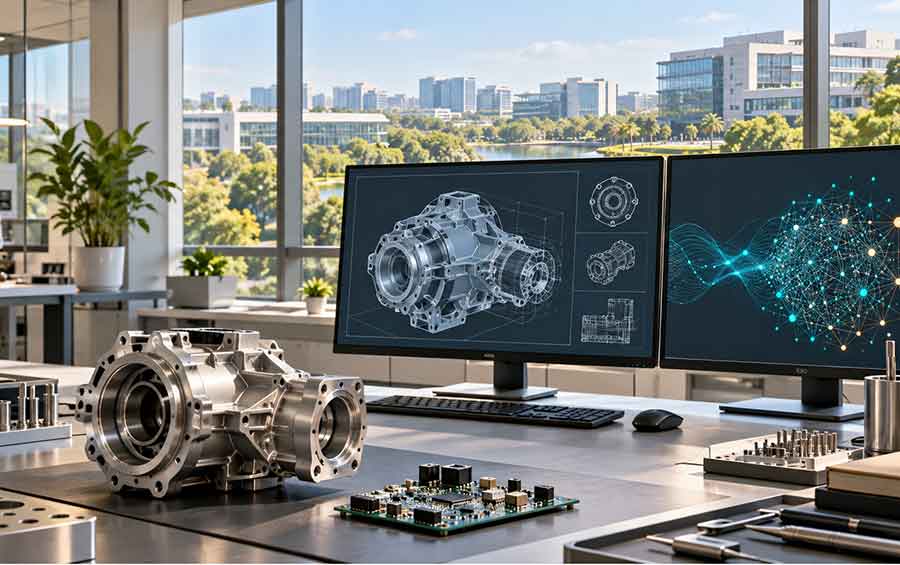
The centres’ expanding mandates include engineering, software development, data, cloud, artificial intelligence, digital platforms and product development.
The report situates this development within India’s wider ecosystem of more than 1,700 GCCs, employing over 1.9 million people. Nearly 90% operate across multiple functions, illustrating the breadth of work undertaken by these centres.
For German Mittelstand enterprises, the growing focus on R&D and product innovation points to India’s increasing importance in building specialist capabilities and supporting global competitiveness.
Talent Availability Drives Expansion
Access to skilled professionals is a significant factor behind the trend. The report estimates that 2.3–2.5 million graduates in science, technology, engineering and mathematics enter India’s workforce annually. German companies, meanwhile, face shortages in engineering, software and IT.
Bengaluru is identified as an important location for German engineering and research operations. Its concentration of technology businesses, universities and startups supports the establishment and expansion of capability centres.
Universities and Startups Strengthen Research Connections
According to the findings, 57% of German GCCs in India partner with universities and startups. These relationships connect corporate technology operations with India’s wider research and entrepreneurial ecosystem.
Such collaboration also features in IGCC’s engineering summit agenda, which brings together industry, academia, researchers and startups to examine opportunities for joint innovation.
Intellectual Property and Planning Remain Central
The report recommends defining the functions to be established in India and expanding operations as capabilities mature. It identifies intellectual property protection and control over proprietary engineering knowledge as important considerations.
Companies are also advised to assess infrastructure, regulatory conditions, talent availability and access to universities and startups when selecting locations.
A Wider India–Germany Technology Partnership
IGCC’s official summit outline identifies engineering, R&D, intelligent manufacturing, digital product development and GCCs as areas where German companies are using Indian capabilities to support both domestic and worldwide operations. It also highlights India’s evolving role as an innovation partner for the German Mittelstand.
The findings point to a broader bilateral industrial partnership, with Indian engineering, research and software teams assuming greater responsibility for products and technologies used by German businesses internationally.