The Indian Institute of Science Education and Research (IISER) Pune and Germany’s University of Göttingen have identified cancer genome dynamics as a focus for scientific exchange, through a workshop designed to explore research collaboration and opportunities for student and researcher mobility.
Titled “Mechanisms of Cancer Genome Dynamics”, the workshop was scheduled for 12–16 October 2026 at IISER Pune, with financial support from the German Centre for Research and Innovation (DWIH) New Delhi. The initiative builds on existing long-term institutional agreements between the two partners.
Understanding genomic changes in cancer
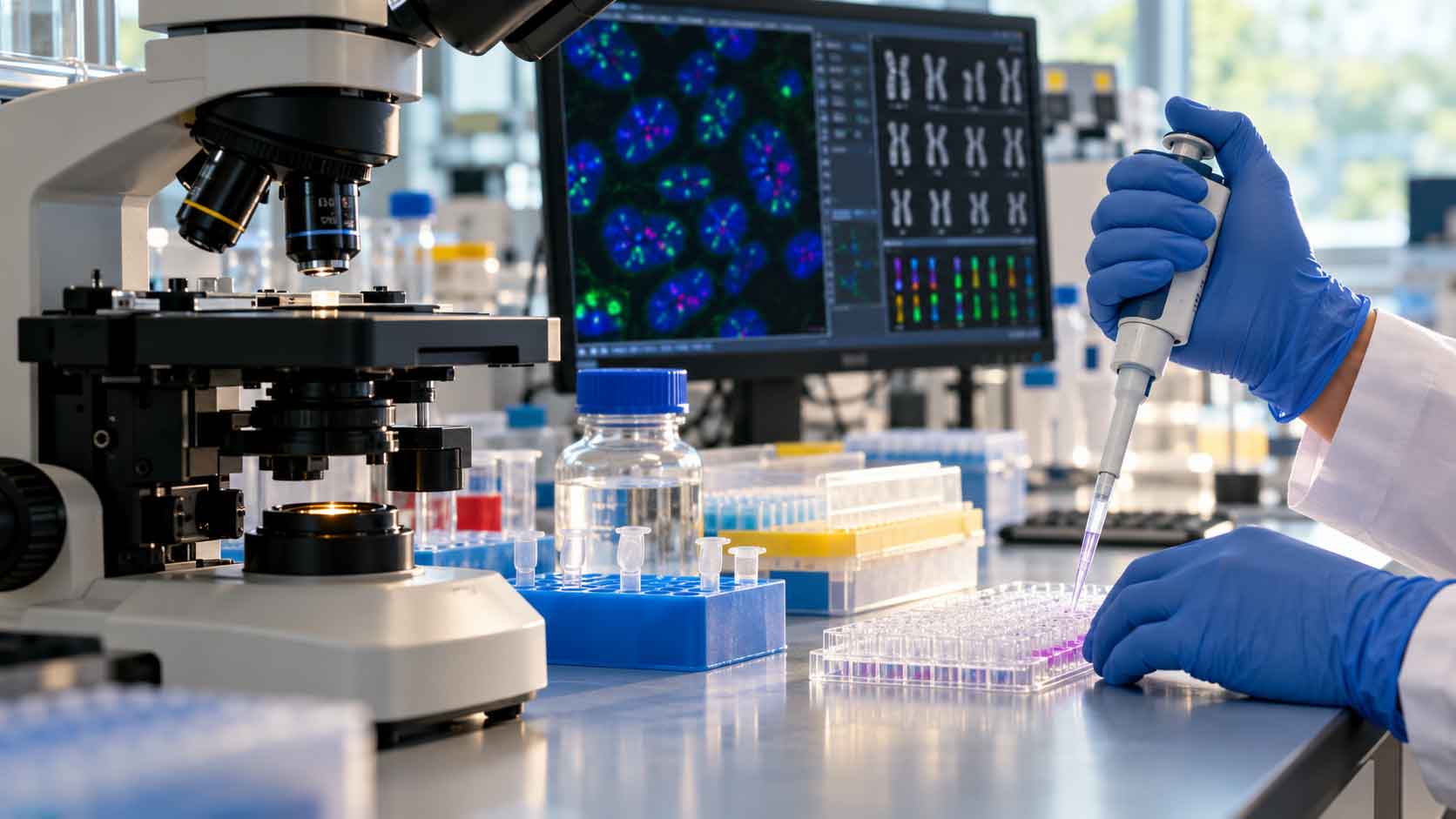
The scientific agenda centres on how changes in the genome—the complete set of genetic material in a cell—can influence cancer development, progression and resistance to treatment.
The workshop description identifies DNA replication, cell division, DNA repair and the three-dimensional organisation of chromatin as interconnected areas requiring further investigation. Understanding how these processes interact could inform future approaches to cancer therapy.
IISER Pune contributes research expertise in genome organisation, DNA repair and the regulation of gene activity. Göttingen’s contribution draws on its cancer genome dynamics research programmes and the University Medical Center Göttingen’s cancer-research infrastructure.
From cancer biology to computational research
The published programme lists presentations on chromosomal stability, DNA damage responses in breast cancer, therapeutic vulnerabilities in pancreatic cancer and mechanisms through which cancer cells evade immune responses.
It also includes sessions on reinforcement learning in drug design and computational tools for cancer biology, connecting fundamental biological research with methods for identifying potential drug candidates and genomic biomarkers.
Researchers listed in the programme include Kundan Sengupta and Mayurika Lahiri of IISER Pune, alongside Holger Bastians and Günter Schneider of University Medical Center Göttingen.
Exploring further Indo-German collaboration
Beyond scientific presentations, the programme provides for information sessions on research and study opportunities in Göttingen and funding for Indo-German collaborations. A roundtable was scheduled to examine future research directions and opportunities for collaboration and student exchanges.
The organisers identify joint Indo-German research proposals and formal student and researcher exchange programmes as intended next steps. These remain stated objectives; the available announcement and programme do not establish that new projects or exchange agreements have been finalised.