India’s technology industry body Nasscom has called for deeper automotive cooperation with Europe, focusing on joint research, intellectual property creation and the development of next-generation vehicle technologies.
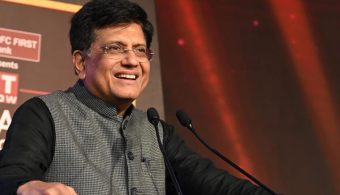
Kishor Patil, Nasscom Vice Chairperson and Co-founder, Managing Director and CEO of KPIT Technologies, outlined the proposals at ELIV 2026, the International VDI Congress for Automotive Electronics, held in Baden-Baden, Germany, on 14–15 October. He urged the two regions to develop long-term technology partnerships extending beyond conventional supplier relationships.
Combining Engineering and Software Capabilities
Patil highlighted the scope for combining Europe’s automotive engineering and manufacturing expertise with India’s software capabilities, artificial intelligence talent and engineering resources.
“The next decade of mobility will reward ecosystems that combine complementary capabilities, rather than geographies that try to build everything on their own,” he said.
Citing industry projections, Patil said India and Europe could together account for 23.1 million new-car sales by 2035, representing nearly one-fourth of global sales, while their combined vehicle exports could exceed 7.5 million units. He identified this potential scale as an opportunity for shared technology development, manufacturing partnerships and access to international markets.
Joint Research and Technology Ownership
Patil called for sustained commitments to joint research and development, shared ownership of products and platforms, and intellectual property creation, rather than cooperation limited to individual programmes.
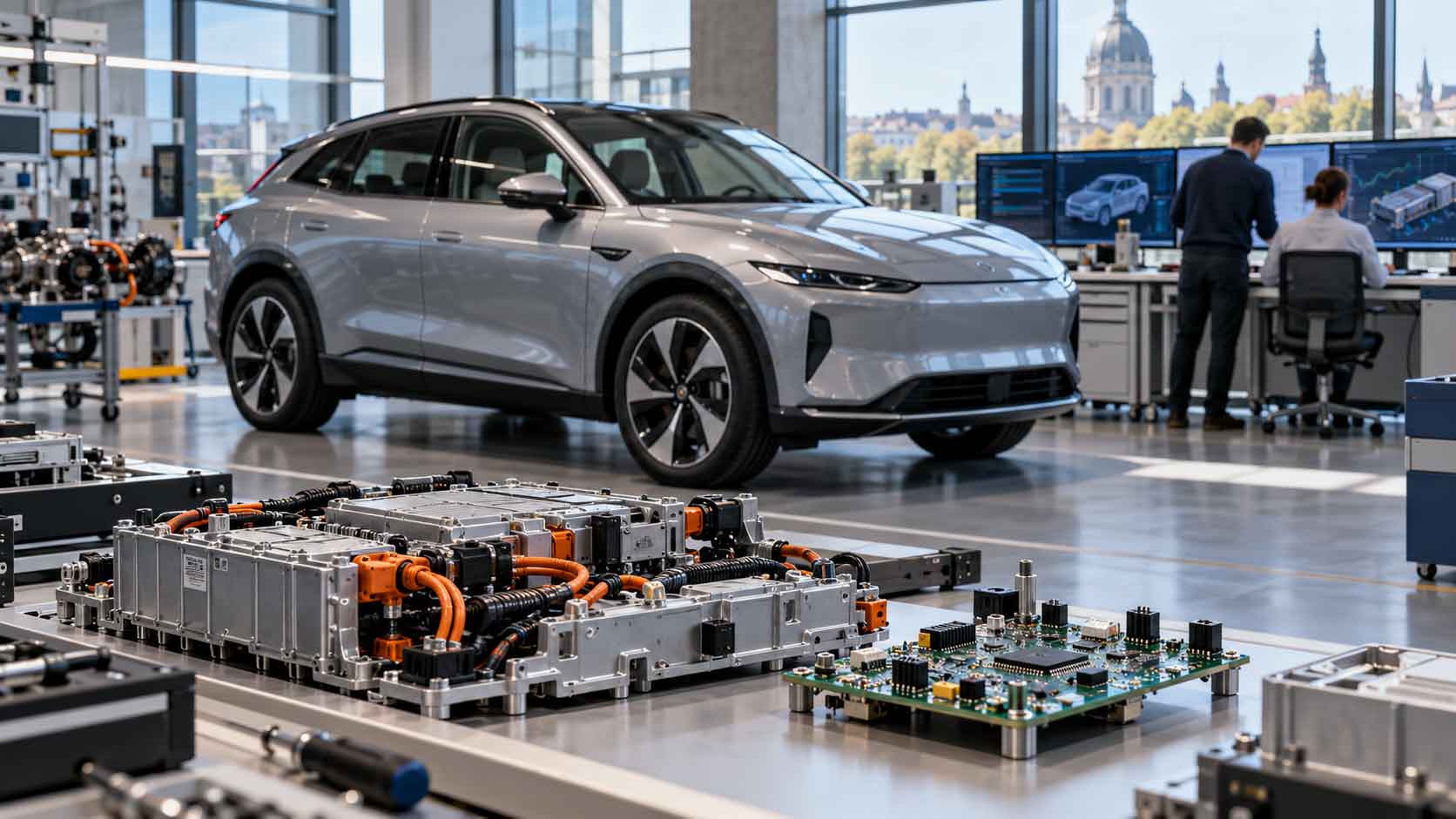
Potential areas for collaboration include software-defined vehicle platforms, automotive AI, semiconductors, batteries and cybersecurity, alongside digital validation, factory robotics and autonomous mobility.
AI’s Growing Role in Vehicle Development
Patil also highlighted the transition from software-defined to AI-defined vehicles. He said artificial intelligence could accelerate vehicle design, software development, testing and validation, while supporting new services throughout a vehicle’s lifecycle.
The 2026 edition of ELIV included a partnership with Nasscom aimed at strengthening engagement between Europe’s automotive industry and India’s technology ecosystem. The discussions in Germany placed joint innovation and technology ownership at the centre of the proposed cooperation.