Photo Credit: anugafoodtec-india.com
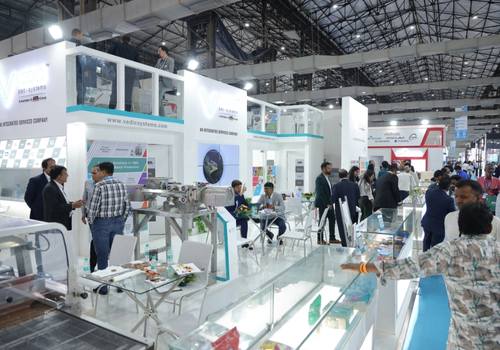
India’s food and beverage trade and manufacturing capabilities are in focus at Anuga Select India and Anuga FoodTec India 2026, being held from September 29 to October 1 at the Bombay Exhibition Centre in Mumbai. The co-located exhibitions combine food-product sourcing with processing and packaging technologies, bringing together different parts of the food industry’s supply chain.
Organised by Koelnmesse Pvt. Ltd., the Indian subsidiary of Germany’s Koelnmesse GmbH, the exhibitions have a direct German business connection. The European Union’s participation as Official Partner Region of Anuga Select India adds a wider India–Europe dimension to the event.
Food trade and manufacturing under one roof
Anuga Select India, in its 19th edition, focuses on food and beverage products and commercial connections between manufacturers, importers, exporters, distributors and buyers. Its sectors include agricultural produce, dairy, beverages, speciality foods, organic products, sweets and snacks. Buyers span retail, wholesale, food service and hospitality, giving the exhibition a broad commercial scope.
Alongside it, the 20th edition of Anuga FoodTec India covers the technologies used to manufacture, package and handle food and beverages. Its listed segments include processing, packaging, automation, digitalisation, safety and analytics, internal logistics, and environment and energy solutions. The pairing connects the business of selling food products with the equipment and systems needed to produce them.
In its pre-event announcement, the organiser listed more than 1,100 exhibitors from over 32 countries across the two shows and projected more than 45,000 trade visitors. These figures describe the announced exhibitor base and anticipated visitor turnout; they are not a final attendance tally.
A German business connection rooted in India
The German link extends beyond the Anuga name. Cologne-based Koelnmesse established its Indian business in 2008, and the company became a wholly owned subsidiary in early 2023 following the acquisition of the remaining external shareholding. It subsequently adopted the name Koelnmesse Pvt. Ltd.
The Mumbai exhibitions form part of Koelnmesse’s international food and food-technology portfolio, which also includes the Anuga and Anuga FoodTec fairs in Cologne. This provides an organisational connection between India’s food industry and an established German exhibition network serving international producers, buyers and technology suppliers.
Germany was also listed among the countries represented through pavilions at Anuga Select India in the organiser’s pre-event release. The country’s announced participation gives the exhibition a further bilateral commercial dimension alongside its broader international coverage.
European participation brings products and standards into focus
The European Union Pavilion is part of the EU’s “More than Food India” campaign. Its official programme announced more than 250 products, covering dairy, olive oil, fruit and vegetables, processed agricultural products and European beverages. Cooking demonstrations, tastings and product-focused sessions were designed for Indian buyers, retailers, distributors and hospitality professionals.
A particular focus is on geographical indications, which protect product names associated with specific regions and the expertise and production methods linked to them. The pavilion’s programme also highlights quality, safety, authenticity and sustainability, placing information about product origin and standards alongside commercial sourcing opportunities.
Indian institutions and enterprises feature in the programme
The organiser’s announced pavilion line-up includes Indian export-promotion and sector bodies such as the Agricultural and Processed Food Products Export Development Authority, the Coffee Board of India and the Coconut Development Board. A dedicated start-up pavilion was also included in the programme, alongside international participation.
For TheDialog’s India–Germany perspective, the significance lies in the combination of German commercial infrastructure, Indian food-sector participation and European engagement. Together, the two exhibitions provide a setting for food trade and manufacturing technology to be considered side by side—linking product sourcing with the processing, packaging and quality systems that support it.