Indian travel demand for Germany remained stable during the first half of 2026, as the country recorded 36.4 million international overnight stays amid a moderate expansion in inbound tourism.
According to data released by the German National Tourist Office (GNTO) on September 7, international overnight stays in Germany increased by 0.5% year-on-year between January and June 2026. The pace improved in June, when overnight stays by foreign visitors rose by 1.6% compared with the same month in 2025.
Overnight stays by visitors from India increased by 0.1% year-on-year during the first five months of 2026. Although the rise was marginal, the GNTO described the performance as evidence of resilient demand from the Indian market at a time of geopolitical and economic uncertainty.
Major cities attract Indian travellers
Germany’s urban destinations continued to account for a substantial share of travel from India. The country’s ten leading city destinations together represented approximately 61% of all overnight stays by Indian visitors.
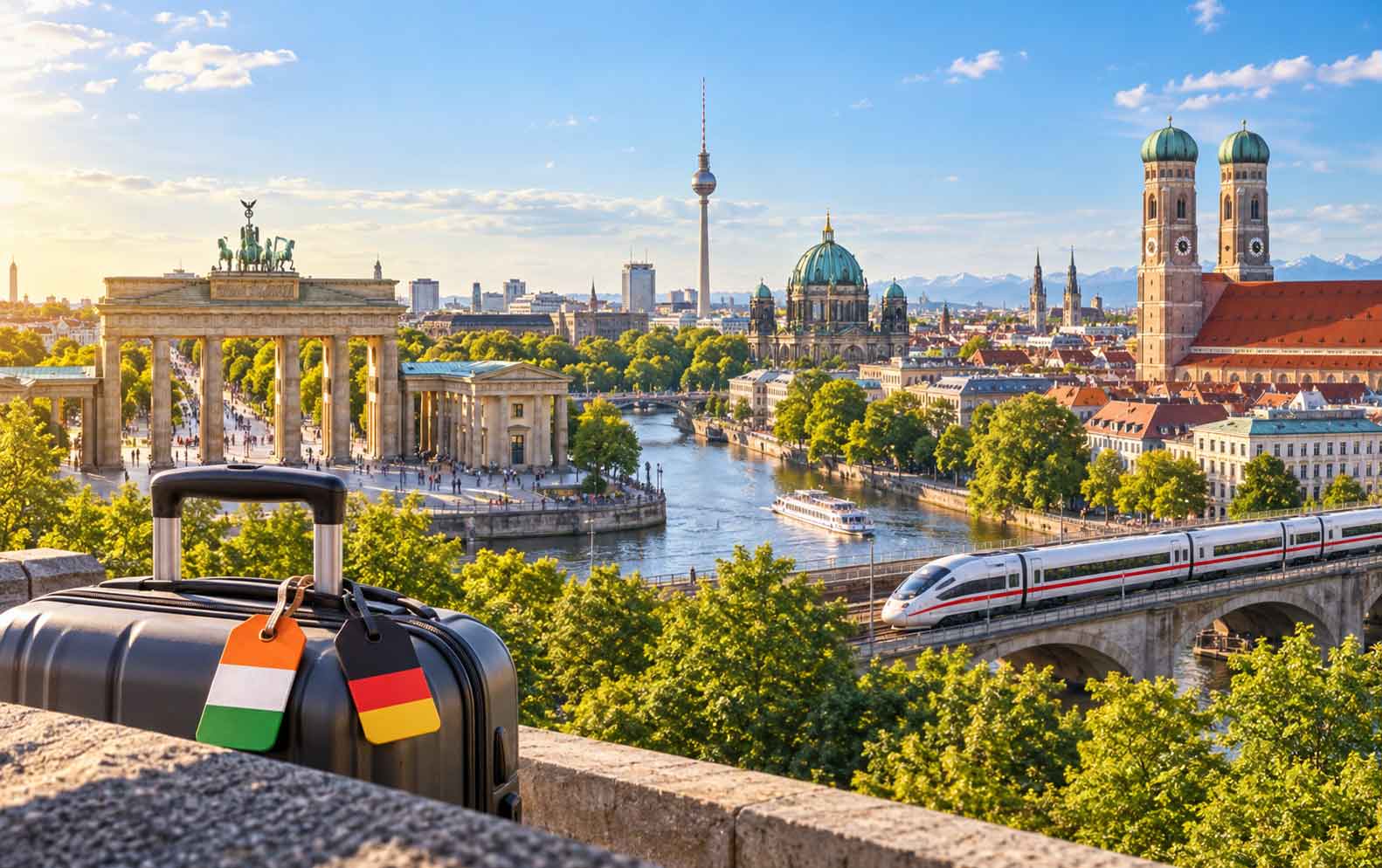
Germany’s larger cities serve several segments of the Indian market, including leisure tourists, business travellers and people attending exhibitions, conferences and other events. They also offer convenient rail and air connections for travel within Germany and to other parts of Europe.
Hotel occupancy across Germany increased by 1.2 percentage points to 65.5% during the period, indicating relatively stable demand across both domestic and international tourism.
Romit Theophilus, Director, Marketing and Sales Office, India, GNTO, said India remained an important source market for Germany. He noted that Indian travellers were increasingly looking for destinations offering cultural experiences, premium hospitality, connectivity and value.
Germany’s combination of historic cities, cultural attractions, natural landscapes and an extensive public transport network placed it in a strong position to respond to these changing preferences, he added.
A young and experience-driven market
The GNTO data also points to the comparatively young profile of Indian visitors. The average age of an Indian traveller to Germany is 38, while approximately 95% are below the age of 55.
This profile is significant for Germany’s long-term tourism strategy as younger travellers are increasingly combining traditional sightseeing with regional cuisine, nature, cultural events and immersive local experiences.
The organisation expects Indian demand to continue during the second half of 2026, supported by interest in city breaks, cultural tourism, business travel and multi-destination European itineraries.
India’s importance extends beyond short-term growth
The latest figures follow an improvement in travel from India during 2025. Official market information published by the German National Tourist Board shows that Germany registered 306,098 arrivals and 928,635 overnight stays from India last year.
Indian overnight stays increased by 3.4% between 2024 and 2025 and stood 24% above their 2016 level. However, the market had recovered to 96.6% of the overnight stays recorded in 2019, indicating that it remained slightly below its pre-pandemic volume.
Indian visitors generated an estimated €1.3 billion in turnover from incoming travel to Germany in 2025.
The composition of the market also reflects the wider economic relationship between the two countries. Business travel accounted for 49% of Indian trips to Germany in 2025, while holiday travel represented 44%. Visits to friends and relatives and other journeys made up the remaining 7%.
Among Indian travellers, Bavaria accounted for the largest share of overnight stays, followed by Baden-Württemberg, Hesse and Berlin. Munich, Berlin, Frankfurt and Hamburg were the most visited German cities.
Nearly all holiday trips from India were booked in advance, with online channels used for 87% of bookings. Tour holidays and city or event-based visits were the two leading categories of leisure travel.
The first-half figures for 2026 therefore point to consolidation rather than rapid expansion. While growth from India was limited during the opening months of the year, the market’s younger traveller base, substantial business component and longer-term increase in overnight stays continue to make it an important part of Germany’s inbound tourism outlook.